Deskripsi
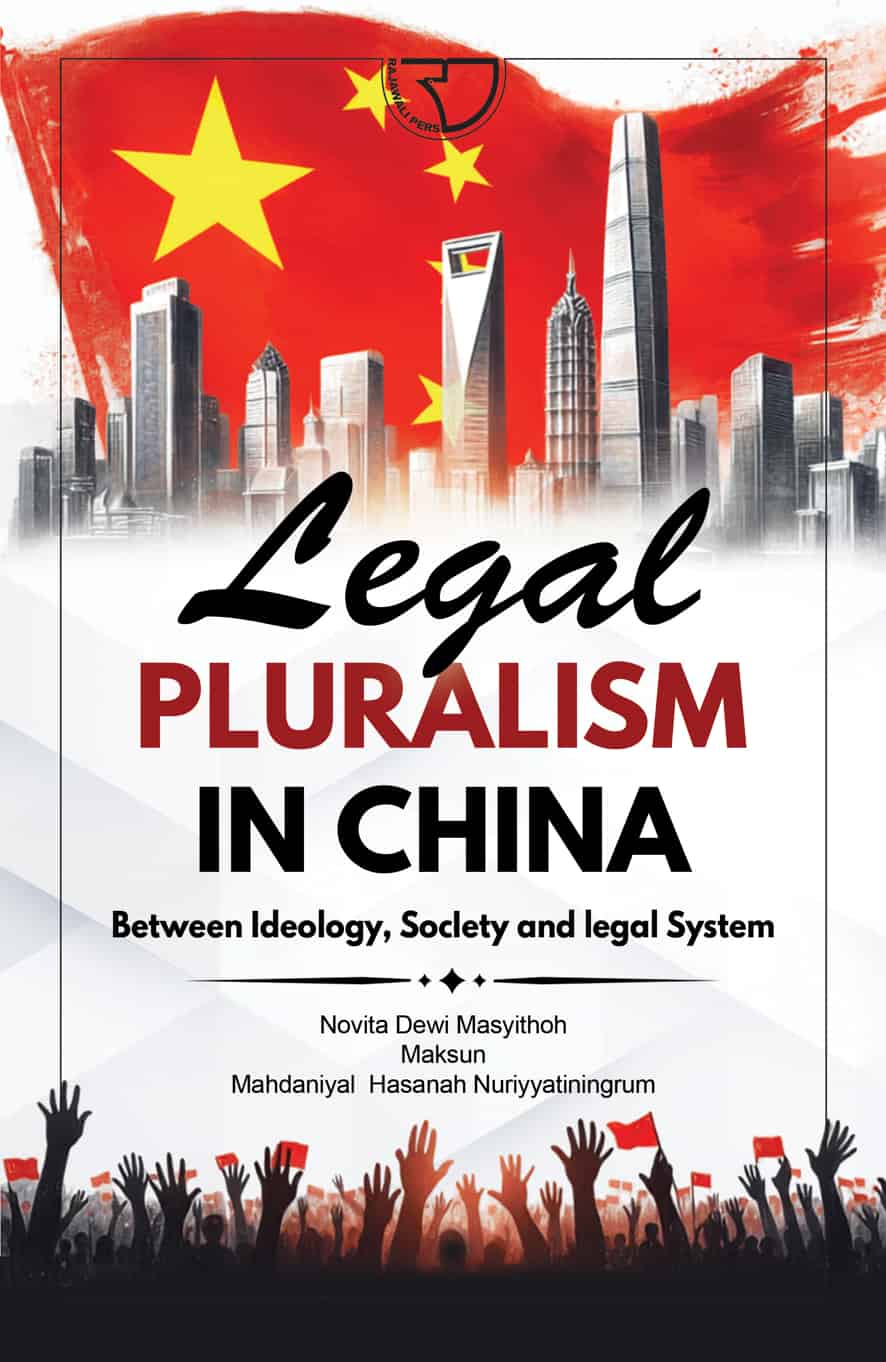
This book discusses in depth about configuration of legal pluralism in China by analyzing the interaction and harmonization between statute law, moral/ethic religion, social and cultural norms within the framework of communist socialist ideology. As a civil law system based on socialist ideology, China only recognizes sources of law originating from statute law which are subject to the doctrine of socialist ideology, while customary law, religious norms, and unwritten traditions do not possess independent legal authority. On the other hand, China has diverse societal entities based on culture and religion/belief.
Legal pluralism in China manifests as state-managed pluralism, where the primacy of statute law is maintained while local customs, religious norms, and Confucian moral principles are selectively integrated into social governance. This integration, however, remains subordinated to the socialist state ideology, which functions not only as a political doctrine but also as a statecraft mechanism that regulates social behavior, maintains public order, and consolidates state authority. As a result, China exhibits a model of subordinative–integrative pluralism, rather than co-equal pluralism. Overall, this study concludes that China’s legal system reflects a unique blend of modern legalism, cultural tradition, and centralized socialist governance, producing a form of legal pluralism that is embedded yet tightly controlled within the ideological framework of the state.
- Penulis: Novita Dewi Masyithoh; Maksun; Mahdaniyal HasanahNuriyyatiningrum
- ISBN: xxxx
- Halaman: 132
- Ukuran: 15 x 23 cm
- Tahun Terbit: 2026


Review
Belum ada ulasan.